
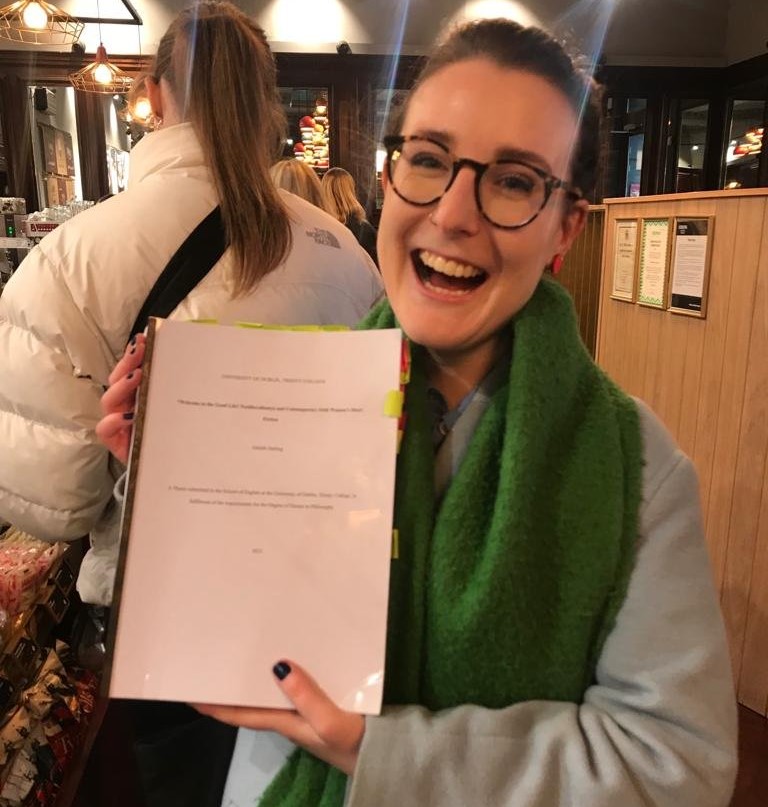
Post-Viva portrait, snapped by my long-suffering friend Eleanor Neil, December 2023
I am in the process of writing my first monograph, which is based on my PhD and is under contract with Liverpool University Press.
Contemporary Irish Women’s Short Fiction: Neoliberalism, Desire, Affect is the first monograph to methodically diagnose and treat the affective structures underpinning neoliberalism as they surface in contemporary Irish women’s short fiction. It teases out what I argue is a collective – and gendered – anxiety pertaining to the reproduction of normative forms of the “good life” amid the ever-straitening affective conditions of late capitalism.
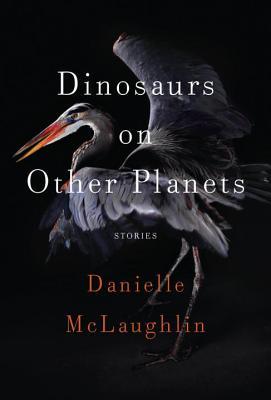
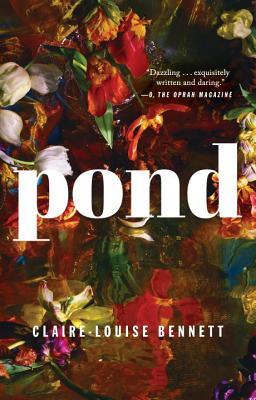
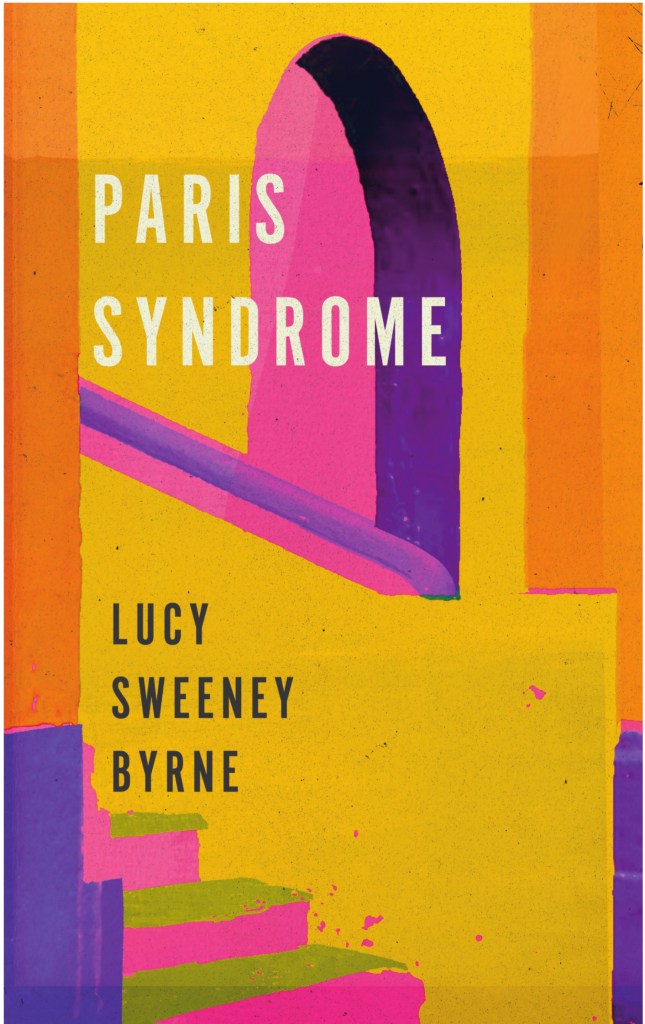
The works examined in this monograph – by Claire Keegan, Nicole Flattery, Lucy Sweeney Byrne, Wendy Erskine, Danielle McLaughlin, Cathy Sweeney, Louise Kennedy, Claire-Louise Bennett, June Caldwell, Niamh Mulvey, Rebecca Ivory, and Maggie Armstrong – address historically significant moments of boom and bust in Irish capitalism, but also articulate the more abstract and more general affective bereavement that has prevailed since. My monograph makes the case that the short story is doing much of the heavy lifting when it comes to sketching out what we might now recognise as a post-millennial Irish aesthetic – one characterised by a deep and critical interest in how neoliberal logics malform everyday life and everyday beliefs, and in how our very ways of being in and desiring the world are warped by this logic. Throughout the book, I examine how these contemporary women writers stage the constant adaptation and recalibrations demanded by neoliberalism, how they vent the affective dissonance we daily encounter when faced with carrying on despite our better judgement, and how their work stages the balancing act that is cultivating belief in and desire for a better world with the need to survive this one.

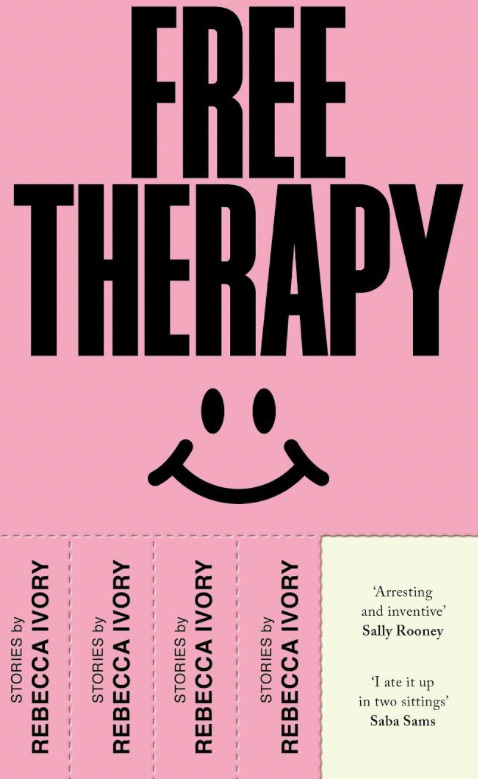
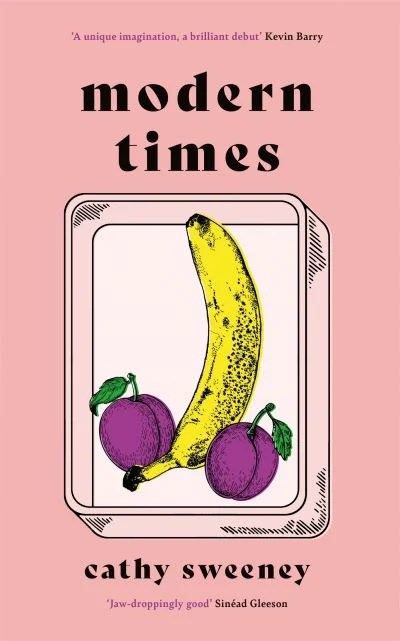
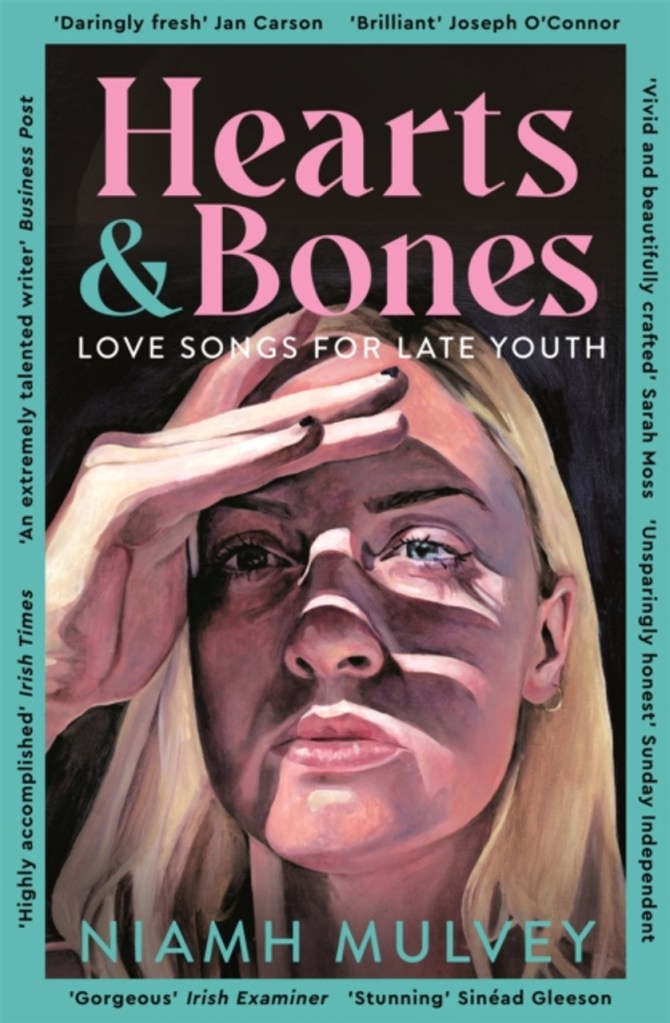
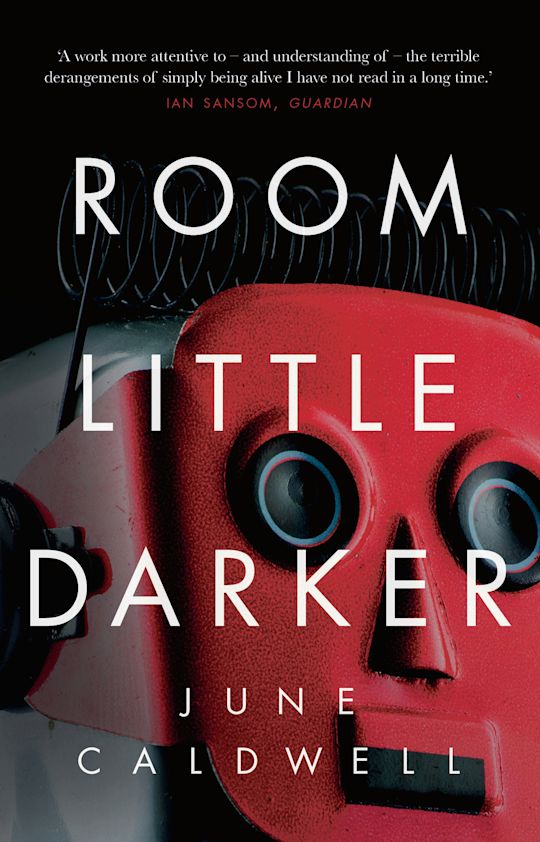
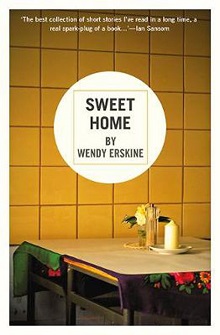
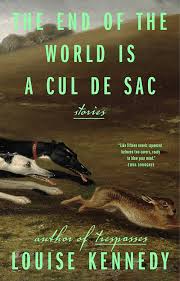
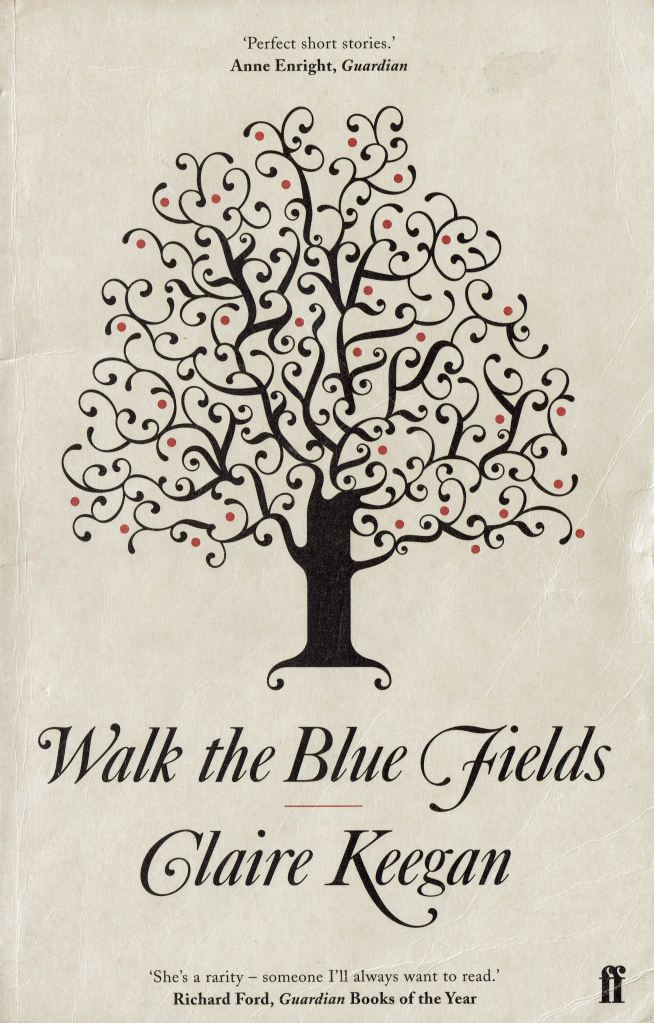

The book’s five constituent chapters trace the implications of this neoliberal affective smoothing for five very general areas of life: the body, the home, the land, history, and the city. The generality of these areas is leveraged against the specificity of what each means in an Irish context, thereby providing my study with perspective on the aspirational work needed to transform each into a site of neoliberal affective investment, and on the dissolution of the “good life” fantasies mobilised by neoliberal modes of desire when rubber hits the road. This dissolution might be as concrete as negative equity or as abstract as its effects on intimate relationships which struggle to survive outside the capitalist “good life” fantasy of the nuclear, home-owning, upwardly-mobile family. Ultimately, my monograph illustrates the extent to which contemporary Irish women’s short fiction is animated by concern with the psychic and affective work of continuing to live amid neoliberalism, where continuation of life might reproduce neoliberal logics, and when fragmentation might introduce the possibility of alternative affects.
 Orlaith Darling